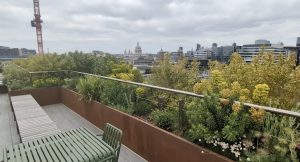

 One of our Senior FM managers Adam Burleigh is the FM manager for Bridge House, A Grade 2 listed building, owned by GMS Estates Limited. EFM works as the facilities management provider on behalf of Tandem Property Asset Management. Bridge House has undergone a comprehensive transformation. The transformative works have included the creation of a stunning 3,875 sq ft roof garden area with a 360-degree view of the London skyline.
Not a naturally green fingered individual, but a lover of coffee, Adam recently discovered the benefits of utilising coffee grounds on garden plants and started discarding the coffee grounds from his own home coffee machine on the roses in his own back garden. Adam decided to take this initiative one step further, here is what he had to say:
‘Seeing an opportunity to repeat this on a bigger scale, Bridge House + Roasting Plant Coffee Shop + Roof Terrace + New Landscaping provider AEJ I saw an opportunity.
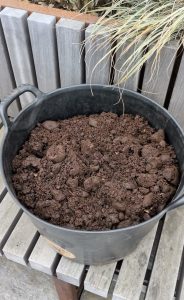
At the pre-commencement meeting while meeting AEJ onsite, I brought up the idea of using used coffee grounds on the roof terrace, as an alternative to bringing more soil and onto site and approached the manager of Roasting Plant coffee shop to propose if they could facilitate providing their used coffee grounds to AEJ for their scheduled monthly site visits.
Using coffee grounds in a roof terrace garden offers a range of benefits, both for plant health and sustainability. One of the primary advantages is that coffee grounds are rich in nitrogen, an essential nutrient for plant growth. When incorporated into the soil or compost, they can help support leafy green growth, making them ideal for vegetables like lettuce, kale, or herbs. This boost in nutrients can lead to more vibrant and productive plants in the limited space of a rooftop garden.
Another major benefit is improved soil texture. Coffee grounds can enhance the soil’s ability to retain moisture while also improving drainage and aeration. This is particularly useful on rooftop gardens where containers and raised beds can dry out quickly, due to exposure to wind and sun. By mixing coffee grounds with other organic materials, you can create a more balanced, nutrient-rich medium that supports root health and reduces the need for frequent watering.
In addition to their horticultural value, coffee grounds serve as a natural pest deterrent. Using coffee grounds is an eco-friendly way to recycle kitchen waste and helps reduce the amount of organic material sent to landfills. For urban gardeners, this sustainable practice aligns with the broader goals of eco-conscious living and self-sufficiency.
Lastly, using coffee grounds can foster a deeper connection between daily life and gardening. Instead of discarding used grounds, you give them new purpose by enriching your garden. It’s a small, satisfying step that turns waste into wellness—for your plants, your space, and the planet’.
All these small steps build towards the bigger picture of what we do as humans daily, how we can minimise the damage we cause, and what we can do to give back to the environment. Well done Adam!